
 By
By 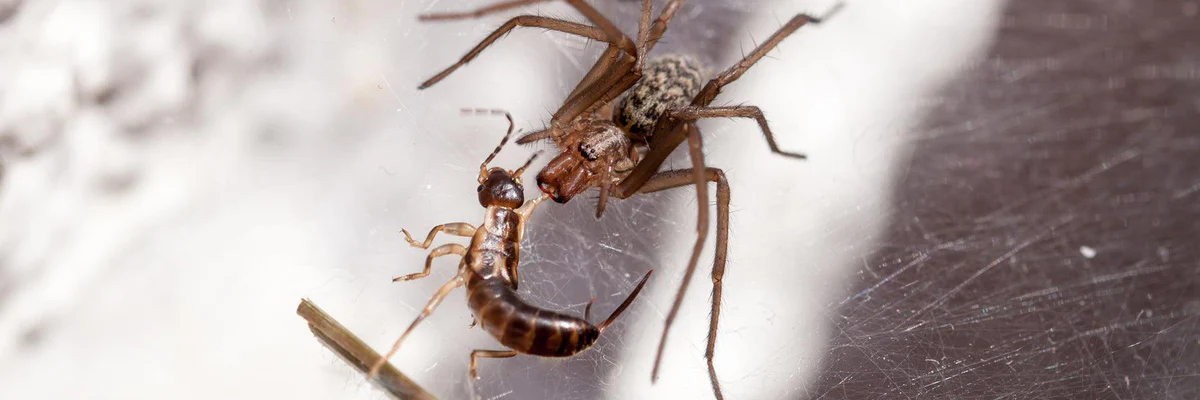
It is not just the days growing shorter and the temperatures getting cooler that make November in Lynnwood so special. The constant Pacific Northwest rainfall turns your home into an unwitting roost for spiders and earwigs escaping from the soaked landscape.
And not just on a whim, either; Lynnwood got an average of 6.5 inches of rain last month, and these pests are running from flooded soil, wet hiding locations, and collapsing outdoor shelters.
Although a handful of bugs can be tolerated, an infestation can be indicative of a bigger domestic issue within your walls or foundation. If you notice a lot of these pests on a daily basis, professional Lynnwood pest control can help eliminate the source before they start making your home their home.
How Lynnwood’s Rainy Novembers Push Spiders and Earwigs Indoors
It is because of the city’s proximity to Puget Sound that moisture does not just come from the sky; it saturates the ground and stays for weeks. As the soil becomes waterlogged, earwigs lose their moats while spiders see their webs outdoors cave under heavy, rotting droplets.
But both species adhere to a simpler survival instinct: get to dry land ASAP. And your home provides just these things, plus warmth and incidental food. Those tiny cracks in your doors, the cracks in your foundation, the open windows in your basement — they all become superhighways for the desperate arthropods looking for shelter.
Why Your Home Becomes the Nearest “Dry Refuge”
-
Gaps Around Garage Doors On The Floor
In a typical Lynnwood house, garage doors have shredded weather stripping and quarter-inch holes at the bottom. When it rains heavily, earwigs, especially, can push through these holes and get inside the house quickly. Garages can be really appealing to these creatures, filled with plenty of cardboard boxes to eat and stacks of wood to hide in.
-
Moisture Attracts Other Food Sources
Damp places in your home attract spiders and earwigs. They lure the tiny bugs these predators prey on: silverfish, booklice, and minute flies. Studies indicate that residences with moisture problems can host 50% more types of bugs than homes that are appropriately secured.
-
Easy Entry Through Foundation Cracks and Gaps
Lynnwood experiences freeze-thaw cycles that can create small cracks in foundations, which can compound over time. A gap as little as 1/16 of an inch is enough for a spider or an earwig to squeeze through. Those little cracks become even more appealing entry points when the November rains fill the dirt around your foundation.
-
Window Wells Become Collection Points
During Lynnwood and other storms, ground-level home windows and window wells capture rainfall and natural debris that might have washed away from the region. These areas serve as staging points where spiders and earwigs cluster before finding their way through window seals and frames.
Behavioral Differences: How Spiders vs. Earwigs Respond to Rain
Both earwigs and spiders dislike rain, but they respond to it in entirely different ways. Spiders are opportunistic predators that typically spin webs outdoors to trap flying insects. They move indoors in November, when downpours can ruin their webs the moment they are spun, and are instead in corners, ceiling joints, and behind furniture, where the temperature and humidity are more stable.
Earwigs, on the other hand, are soil dwellers that inhabit moist soil or mulch. Their tunnels flood, and they are forced to run to the driest land, which is typically the perimeter of your foundation. In contrast with their actively hunting spider brethren, earwigs are mostly scavengers, consuming decaying plant matter and the occasional crumbs in our homes.
When Professional Treatment Is the Smarter Option
While DIY sprays and traps may nab a few stragglers here and there, they would not halt the stream of pests filtering in through those unseen backdoors in and around your home.
Saela Pest Control knows that Lynnwood faces specific challenges with pests and how local weather patterns affect the local pest population. They specialize in barrier applications around foundations, gap sealing at entry points, and moisture application in the areas where pests tend to gather before entering the living area.











Comments